




Mitigation means one thing: keeping the damage from getting any bigger. It is not the repair. Mitigation covers the steps taken ahead of repairs so undamaged materials stay that way. For Charlotte homes, that means we stop the source, pull the water out, seal off wet areas and get the structure stable. Good mitigation makes the later repair smaller, and now and then makes it unnecessary.
The words mitigation and restoration get used as if they were interchangeable. Each is its own phase of the job. The emergency stage is mitigation, where we stop the loss, keep it from spreading and stabilize the house. Once the structure tests dry, restoration takes over and covers repairing or rebuilding finishes, drywall and floors that were damaged. Insurers treat them as separate line items too, so it helps to know which phase you are in.
A typical mitigation visit covers four things. One: control the source and cut off any new water. Two: extract whatever water is standing. Third is containment, where controlled airflow and plastic barriers keep contaminants and moisture away from clean rooms. Four: stabilize by pulling materials beyond saving, applying antimicrobial to surfaces and setting up air movers plus dehumidifiers. We also protect furniture and belongings by moving or blocking them up.
What to Expect From Our Water Damage Mitigation
Our systematic approach delivers quality results on every project. Here's what you can expect when you choose Charlotte Restoration Co:
Stop the Water Source
Depending on the cause, our crew closes the supply, caps a failed line, or covers the entry point with tarps and boards. When the permanent repair calls for a roofer or plumber, we help schedule it.
Extract the Water
Pumps and extractors take out the standing water, and we inspect the carpet and pad. Getting bulk water out quickly does more to limit damage than any amount of drying equipment alone.
Contain Wet Areas
Wet rooms are closed off from dry ones with barriers of plastic sheeting and controlled airflow. As a result, contaminants, dust and humid air stay put instead of spreading around the house mid-job.
Stabilize the Structure
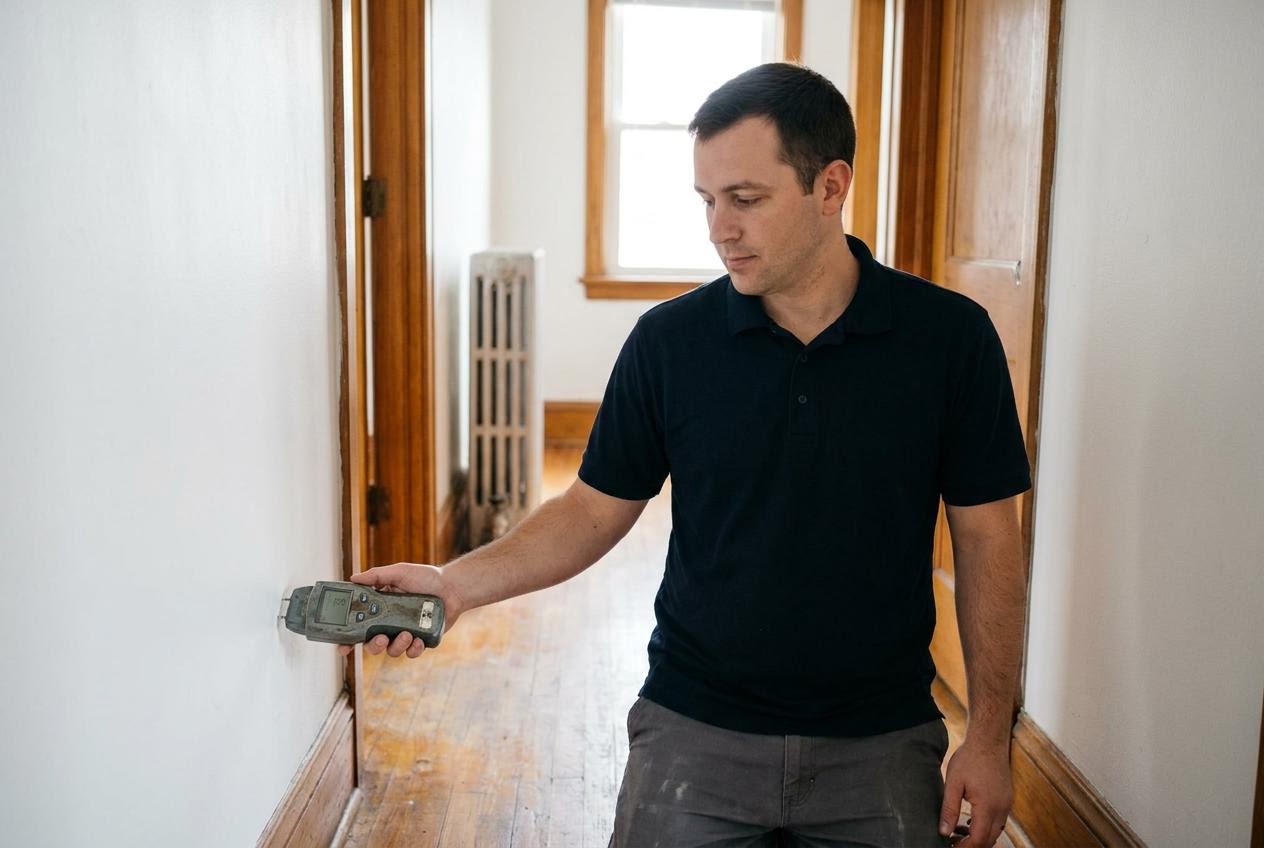
Materials past saving come out, an antimicrobial is applied to surfaces, and air movers plus dehumidifiers go in. Moisture readings are recorded on every visit until the structure can be repaired, typically in 3 to 5 days.
Water Damage Mitigation Issues? We Can Help.
Call Charlotte Restoration Co for fast, reliable service.
Call (828) 382-9976 TodayWarning Signs for Water Damage Mitigation
Recognizing the warning signs early can save you time, money, and prevent significant damage to your property. Here are the most common indicators that it's time to call a professional:
- Baseboards are swelling or pulling away from the wall after a leak.
- One day on, damp materials are beginning to smell musty.
- A leak has been stopped but floors, walls or cabinets are still wet.
- Water is moving from one room into the next along the flooring.
- Following a water loss, indoor air stays damp and condensation forms on the glass.
- Rain is getting inside through a damaged roof or an open window gap.
- A plumber fixed the pipe but nobody has dealt with the water.
Don't Wait Until It's an Emergency
Many water damage problems start small but can escalate quickly into costly emergencies. Call Charlotte Restoration Co at (828) 382-9976 at the first sign of trouble.
Common Water Damage Mitigation Questions
Why Water Damage Mitigation Is Not a DIY Job
Mitigation is a series of judgment calls made quickly. Can this section of drywall dry in place, or does it need cutting out? Is the water Category 1, 2 or 3, and has it changed since the leak began? Is removing the cabinet toe kick necessary? We answer those questions with training and moisture readings rather than by the look or feel of a surface.
Good mitigation also protects your claim. Most policies require the owner to take reasonable steps to prevent further damage, and insurers want proof it was done. We photograph conditions on arrival, record moisture readings daily and keep a list of anything removed. Together those records show the water's effect and our response to it. Whoever handles repairs then begins from a known condition, and nothing wet ends up sealed behind new wallboard.
Questions About Water Damage Mitigation?
Call Charlotte Restoration Co to discuss your water damage mitigation needs with a IICRC-certified technician.
Call (828) 382-9976 TodayHow to Prevent Water Damage Mitigation Problems
A little prevention goes a long way in avoiding expensive restoration emergencies. Here are our expert recommendations:
- Get the water heater checked every year, and replace it ahead of a tank failure.
- A main shutoff that will not turn is no help, so locate and test yours.
- A monthly look around toilets and inside sink cabinets catches drips, staining and spongy flooring.
- Keep gutters clear and downspouts pointed away from the foundation of the house.
- Trade rubber washer hoses for braided steel, and renew them roughly every five years.
- Before heavy rain returns, caulk openings at doors, windows and roof penetrations.
DIY vs. Professional Water Damage Mitigation
While some minor restoration tasks can be handled by handy homeowners, most water damage work requires professional expertise, specialized equipment, and proper safety training. Here's a comparison:
| Factor | DIY Approach | Professional Service |
|---|---|---|
| Insurance documentation | Some pictures on your phone | Dated images and daily meter logs |
| Source control | Close a valve, fingers crossed | Cause verified, isolated, recorded |
| Extraction | Mop, towels and a wet vac | Extraction units and pumps, fast |
| Knowing when it is dry | Dry when it feels dry | Readings logged every visit until dry |
| What stays or goes | Hoping wet materials recover | Meter data drives each removal |
Talk to a Water Damage Mitigation Expert
Don't let water damage problems get worse. Call Charlotte Restoration Co now for prompt, professional service.
Get Help: (828) 382-9976